
Sustainability
Sustainability at International Linens
Our approach
Made with less water, less waste and mostly sunlight
As a sustainable textile manufacturer in Pakistan, our approach conserves water, minimises waste and lowers emissions. Renewable energy and careful chemistry in processing let us produce hospital and hotel linens with a smaller footprint, from a solar powered textile plant in Faisalabad, Pakistan.
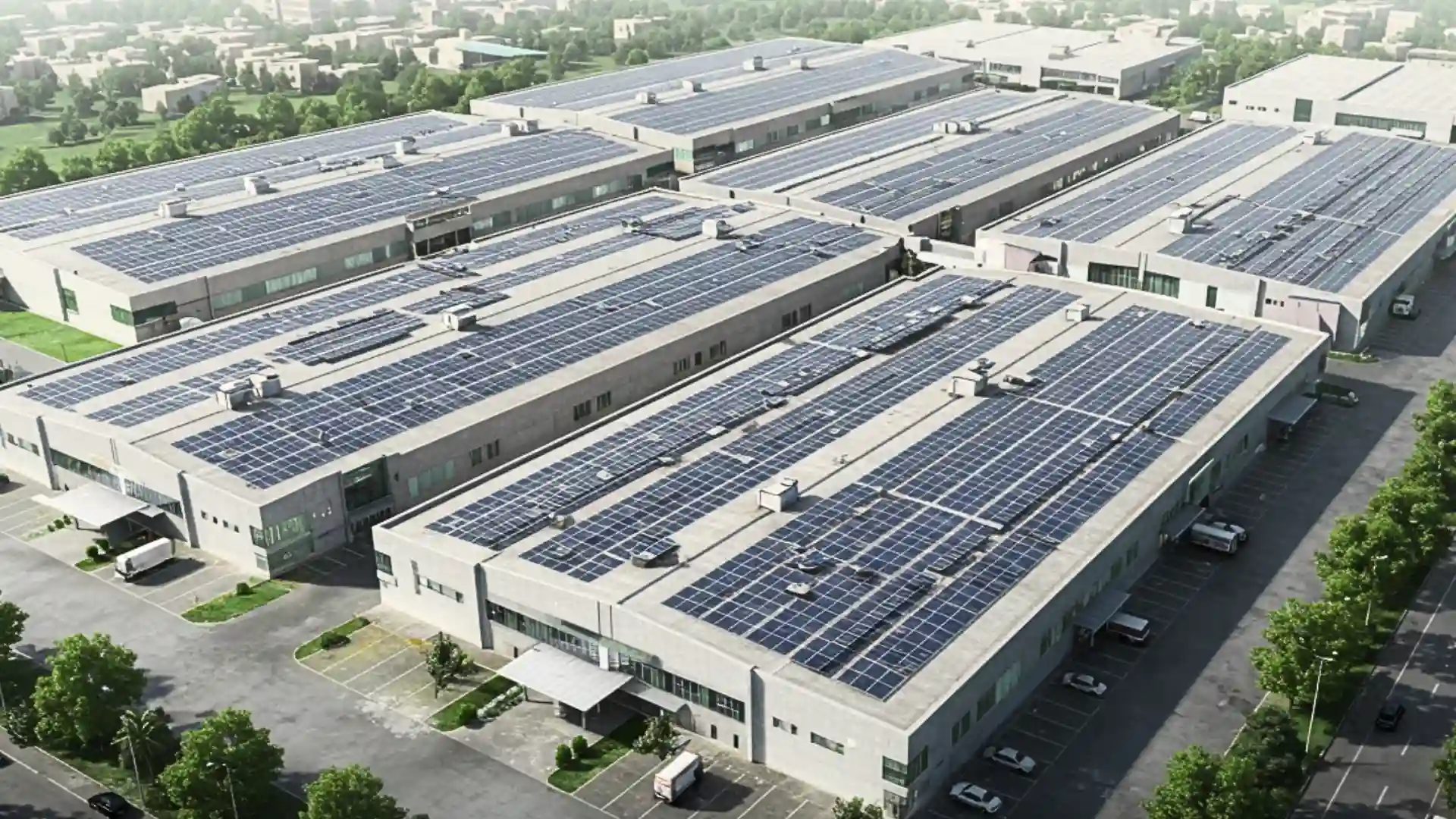
Solar powered
70% of our power comes from the roof
Our plant runs on on-site solar during production hours, cutting grid dependence and emissions across weaving, processing and stitching.
70%
solar share of plant power
2022
own processing unit, designed for efficiency
OEKO-TEX
Standard 100 certified processing
1
integrated site: fewer transport legs
What we do
Five commitments of a sustainable textile manufacturer in Pakistan
01
Solar powered manufacturing
Solar drives most of our production, reducing reliance on non-renewable energy and greenhouse gas emissions.
02
Environmental impact
Solar generation avoids a large volume of CO2 each year, the equivalent of planting thousands of trees. Our fabrics are certified to OEKO-TEX Standard 100. You can verify our certificate on the OEKO-TEX Label Check.
03
Sustainable practices
From sourcing to waste management, efficiency is built into every stage of manufacturing.
04
Innovation and responsibility
We keep improving processes to produce durable linens while preserving natural resources.
05
Community engagement
We take part in local initiatives that promote environmental conservation and education.
06
Longer-lasting linens
Durable construction means fewer replacements for you and less textile waste overall.
Sustainability questions
Straight answers on how we operate
Does International Linens use solar energy?
Yes. About 70% of the power used at our Faisalabad plant comes from on-site solar generation, which runs weaving, processing and stitching during production hours and reduces our reliance on the grid.
Is International Linens’ processing certified?
Yes. Bleaching and finishing at our Khurrianwala unit run under an OEKO-TEX Standard 100 certified process, and the company holds ISO 9001:2015, a SMETA audit on the Sedex platform and C-TPAT security assessment. Details are on the certifications page.
How does the plant reduce water and waste?
Our processing is designed for efficiency, and long-lasting linens reduce replacement and textile waste for buyers. We do not publish water or waste figures; buyers who need them for ESG reporting can request current data from the export team.
Choose a supplier that runs on sunlight
By choosing International Linens you support a manufacturer that treats sustainability as an operating rule, not a slogan.